01 / REGION
European Cave Regions
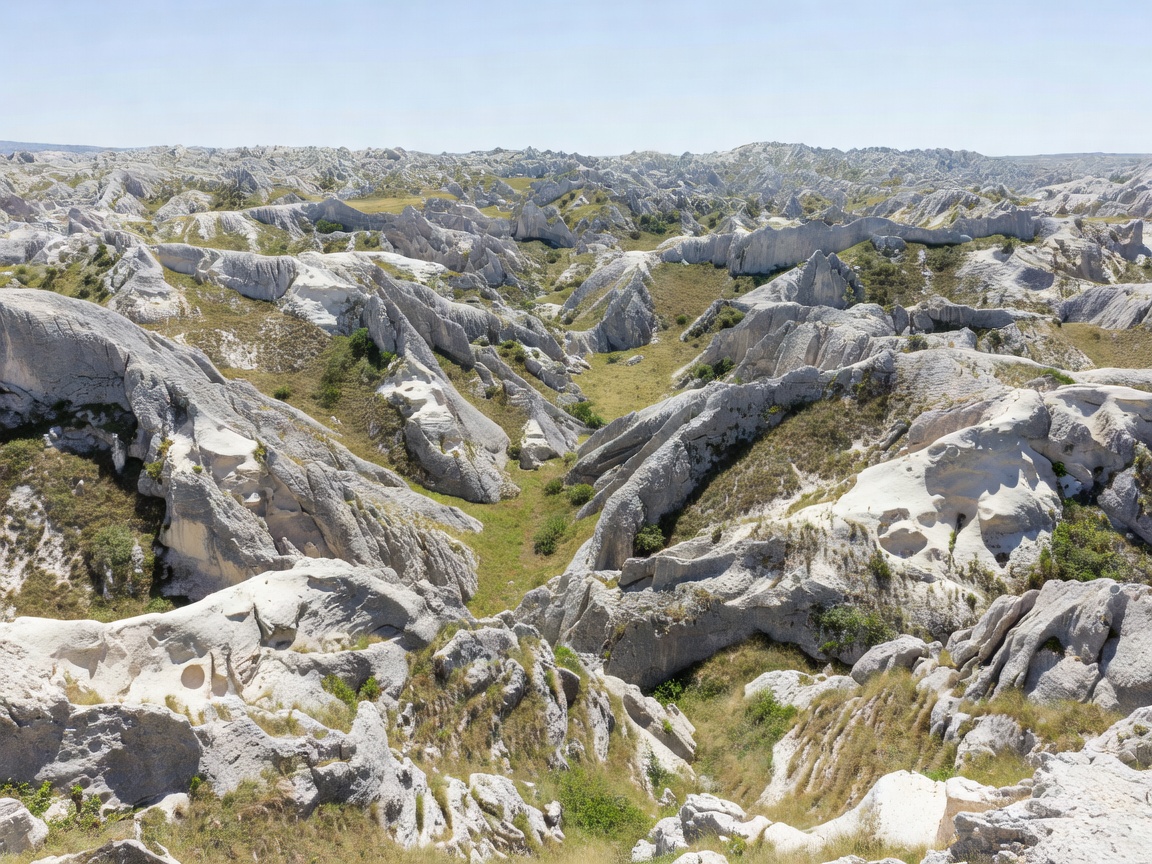
Read caves through karst, mountains, coasts, volcanic terrain and underground water.
Explore Cave Regions →European Underground Atlas / Field guide 01
A practical guide to cave regions, geological formations, cave types, tour formats, access, safety, seasons and responsible exploration.
Five working lenses
Use the guide in sequence. Each topic answers a different planning question.
Read caves through karst, mountains, coasts, volcanic terrain and underground water.
Explore Cave Regions →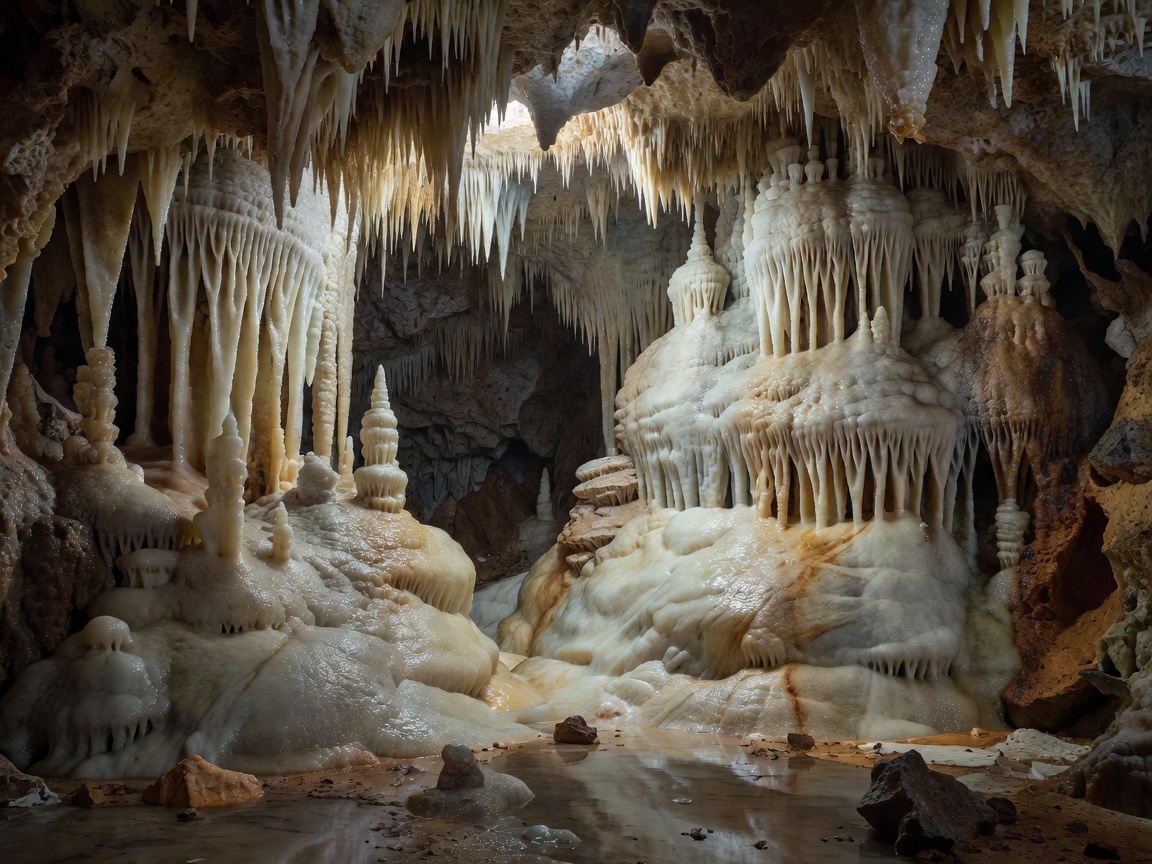
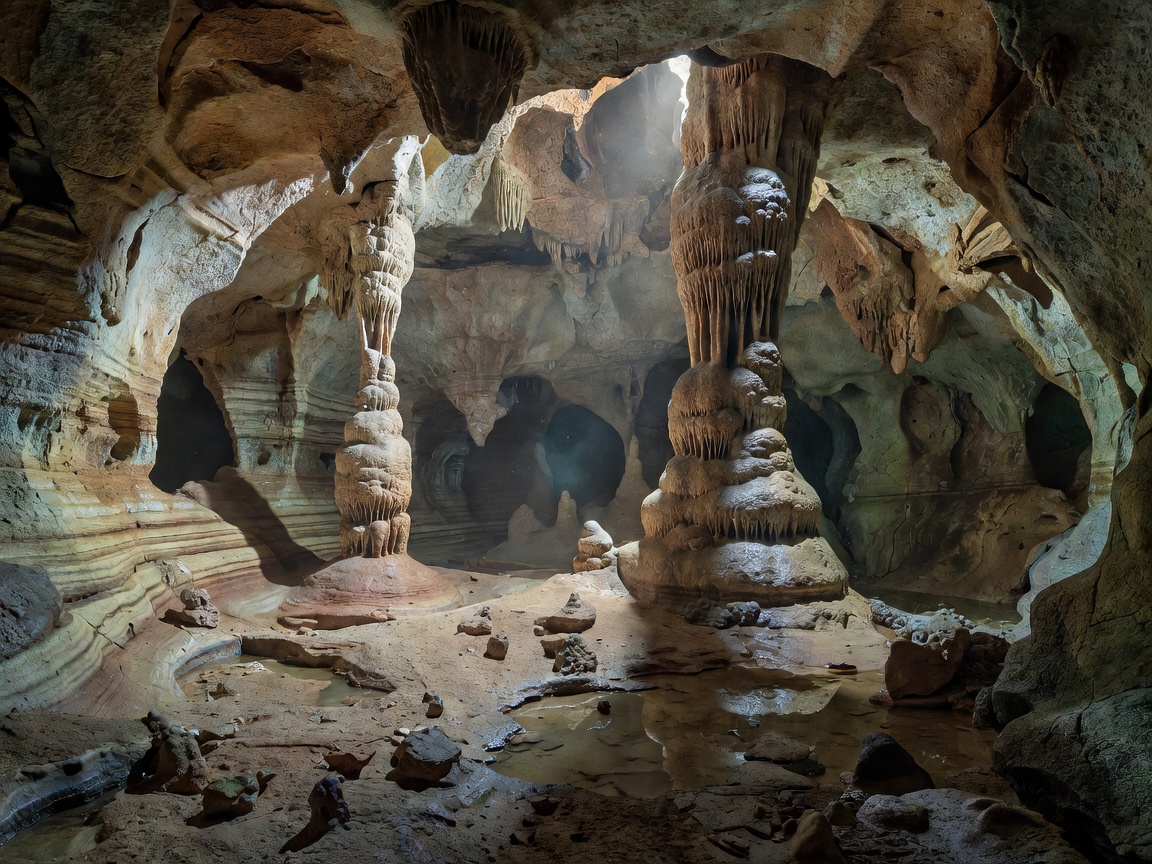
Identify solution caves, lava tubes, sea caves, ice environments, passages and deposits.
Understand Cave Types →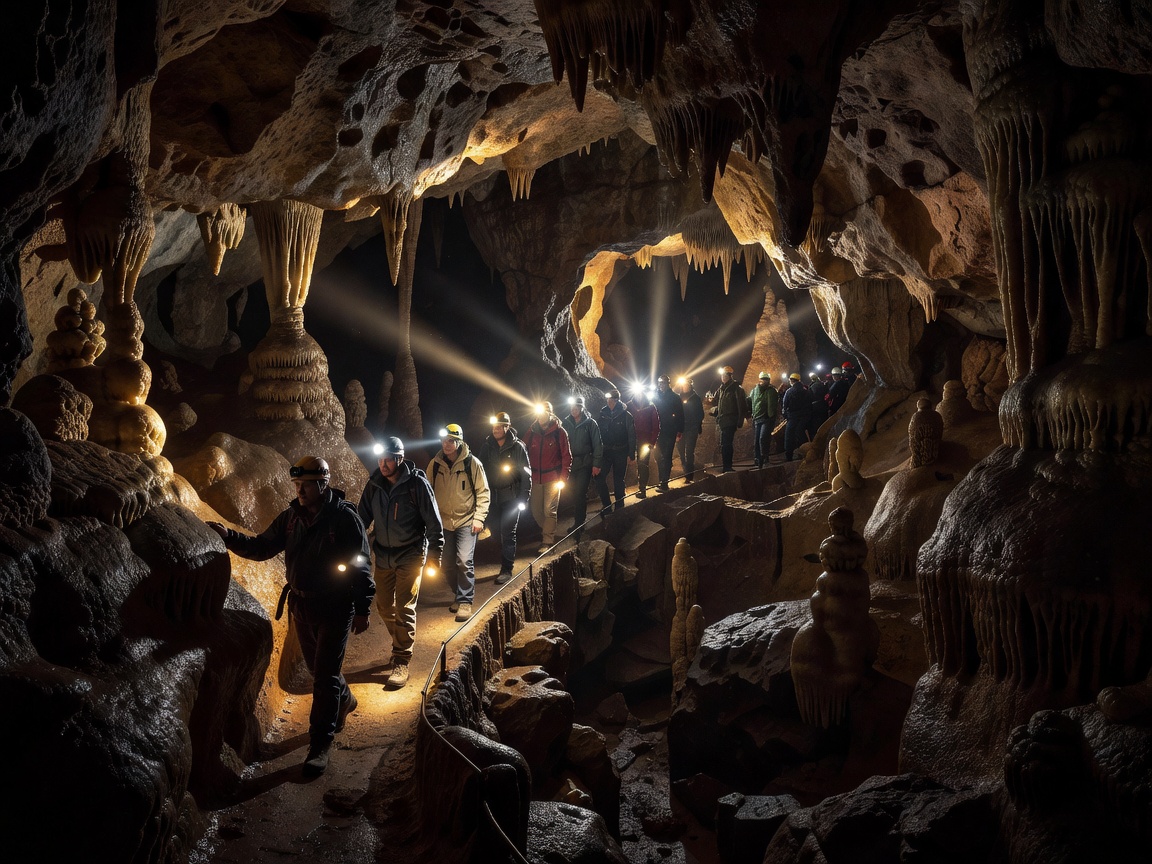
Compare guided walks, illuminated caves, specialist visits and educational formats.
Explore Tour Formats →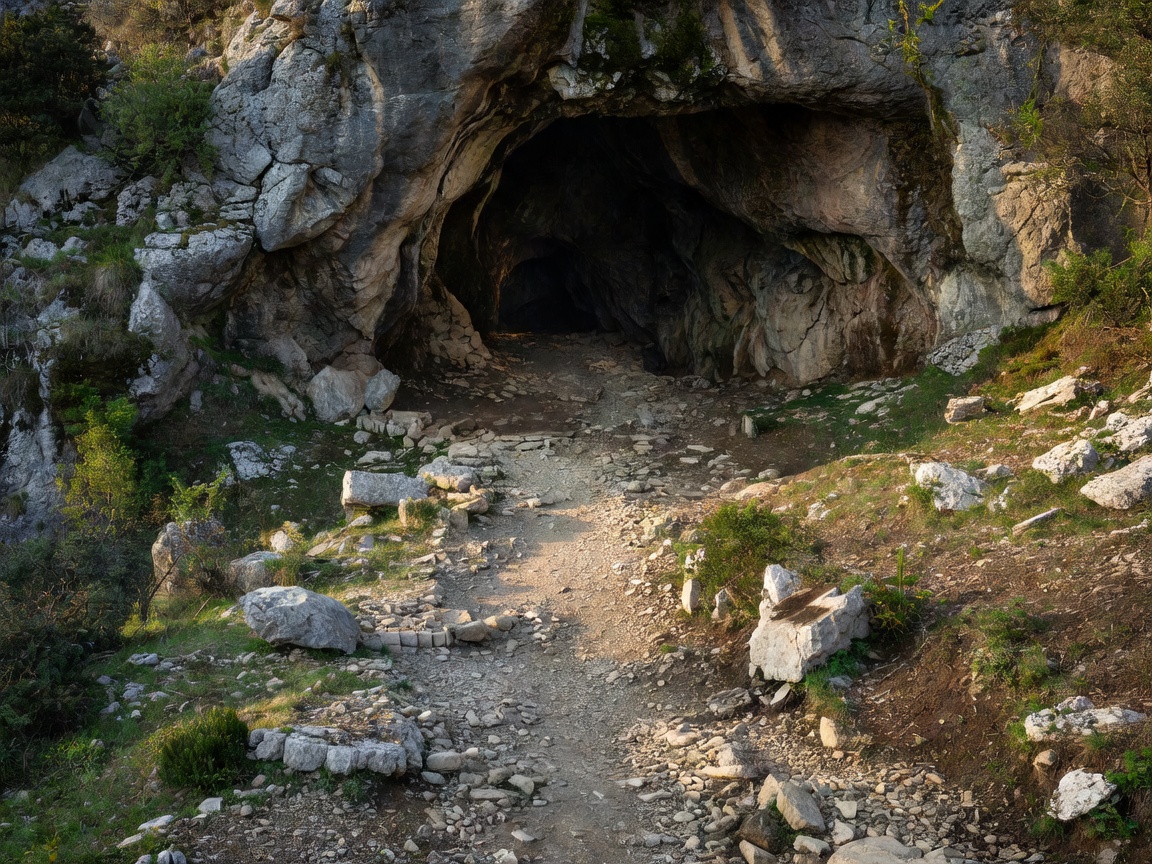
Assess surfaces, clothing, route demands, restrictions, equipment and guide requirements.
Plan the Visit →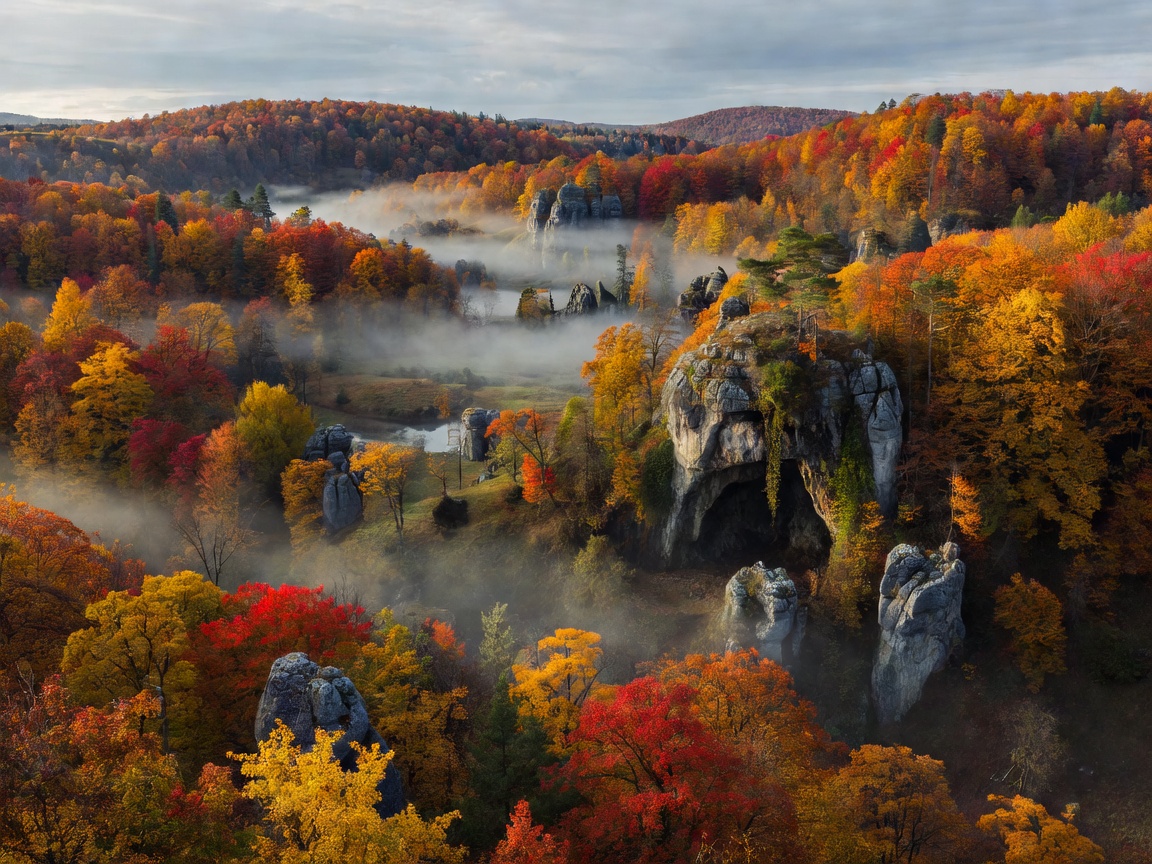
Plan around rainfall, water levels, surface access, daylight, demand and restrictions.
Plan by Season →Planning sequence
Evaluate a cave before travel. Exact conditions belong to the responsible local operator or access authority.
Responsible exploration
Stay on authorised routes. Follow guides. Do not touch formations, remove minerals, disturb wildlife or leave waste. Respect photography rules, restricted areas, designated entrances and local conservation measures.