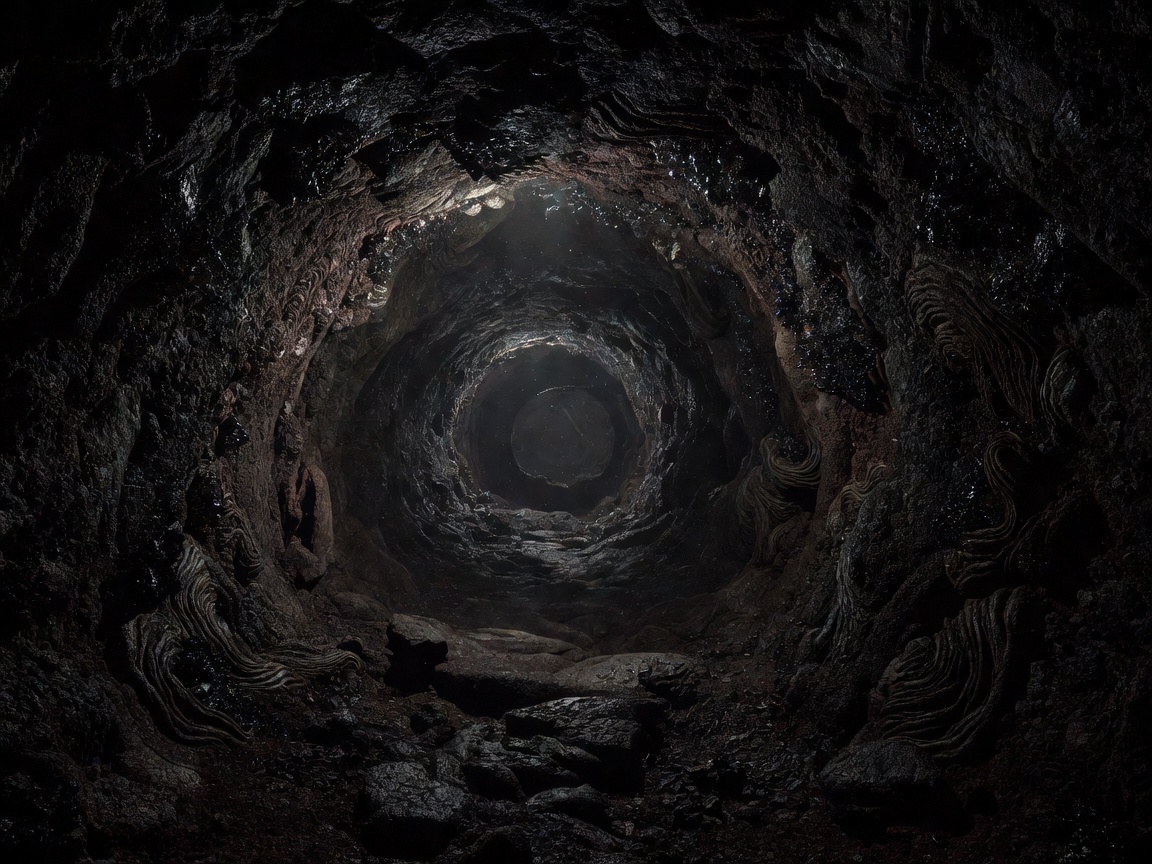
“Cave” is a broad travel word. It can describe a limestone passage, a lava tube, a sea-eroded chamber, an ice-filled void or a managed underground space. The category matters because formation affects shape, moisture, temperature, surface texture and access.
Solution caves and karst systems
A solution cave forms when water dissolves soluble rock. In Europe, limestone is a common host rock, although other soluble rocks can also develop underground voids. Water enters through cracks and follows weaknesses. Small openings may connect into a karst system: a network of shafts, conduits, chambers, springs and surface depressions.
A passage is a route through the system. A chamber is a larger enclosed space. A shaft is a steep vertical opening. A sinkhole is a surface depression where drainage may collect or disappear. These terms describe form, not a universal visitor rating. A chamber may be easy to reach on a managed walkway or difficult to reach in a technical system.
Deposits and cave formations
Mineral deposits form when water leaves dissolved material behind. A stalactite grows downward from a ceiling. A stalagmite grows upward from a floor. When they join, they may form a column. Flowstone is a sheet-like deposit created by water moving across a surface. Rimstone can develop around small pools or terraces.
Deposits are fragile. Oils from skin, accidental contact and changes in airflow can damage surfaces that took a long time to form. Visitors should stay on marked routes and follow instructions about distance, lighting and photography. A formation’s appearance is not evidence of a specific age or geological measurement unless a qualified source provides that information.
Lava tubes and volcanic caves
Lava tubes form during volcanic eruptions. The surface of a flow can cool while molten lava continues beneath it. When the interior drains, a tunnel may remain. Lava tubes often contain sharp textures, low ceilings, loose surfaces and abrupt changes in floor level. Their geometry comes from cooling and flow, not dissolution.
Volcanic caves may be dry, dusty or affected by water. They can also contain fragile mineral or biological features. A visitor route may be short but still require careful footing. General advice about limestone caves cannot be transferred automatically to a lava environment.
Sea caves, ice caves and underground rivers
Sea caves are cut or enlarged by wave action along a coast. Their access depends on shore conditions, tide, swell, wind and local restrictions. Ice caves may contain seasonal ice or form near moving glacier systems. Ice can melt, fall or shift. These environments require current local guidance.
Underground rivers move through active drainage routes. Water may be permanent or seasonal. It can carry sediment, alter floors and rise after rain. A dry entrance does not prove that an underground route is stable. Managed river experiences use their own access rules and equipment requirements.
From geology to visitor choice
Identify the cave type first. Then check whether the route is illuminated, guided, wet, steep, exposed to weather or seasonally restricted. Separate general geology from site-specific information. A textbook can explain why a cave exists; only the responsible local access source can describe today’s route, rules and conditions.