Caves are buffered from surface weather, but they are not isolated from it. Rain enters through drainage systems. Snowmelt can raise underground water. Surface roads and paths can close even when the cave interior appears stable. Seasonal planning is therefore about the whole journey, not only the chamber.
Spring
Spring can bring snowmelt, saturated ground and changing underground water levels. Streams may be more active and some routes may be unsuitable after rainfall. Surface paths can be muddy. Mountain access may remain affected by snow or ice while lower routes become busy during school and holiday periods.
Use spring as a reason to check water-related notices, approach conditions and closure policies. Do not infer a local flood condition from a general regional forecast. Exact catchments respond differently to rain and thaw.
Summer
Summer usually increases daylight, transport options and visitor demand. A cave can still feel cool, so a light layer may be useful. Heat above ground can also create fatigue on an exposed approach. Popular managed routes may require advance planning, but availability, opening hours and booking rules are site-specific.
Storms can produce rapid runoff. Underground rivers and low sections deserve particular attention after heavy rain. Follow any temporary closure or guide decision. Warm surface weather is not a reason to ignore water warnings.
Autumn
Autumn often brings shorter daylight, rain and changing road conditions. Forest and mountain approaches may become slippery. Visitor demand can fall, but lower demand does not mean every route remains open. Some sites adjust operations or restrict access during maintenance and conservation periods.
Plan the return journey with daylight margins. Check transport, surface weather and the responsible site’s current notices. Pack for a cooler transition between surface and underground environments.
Winter
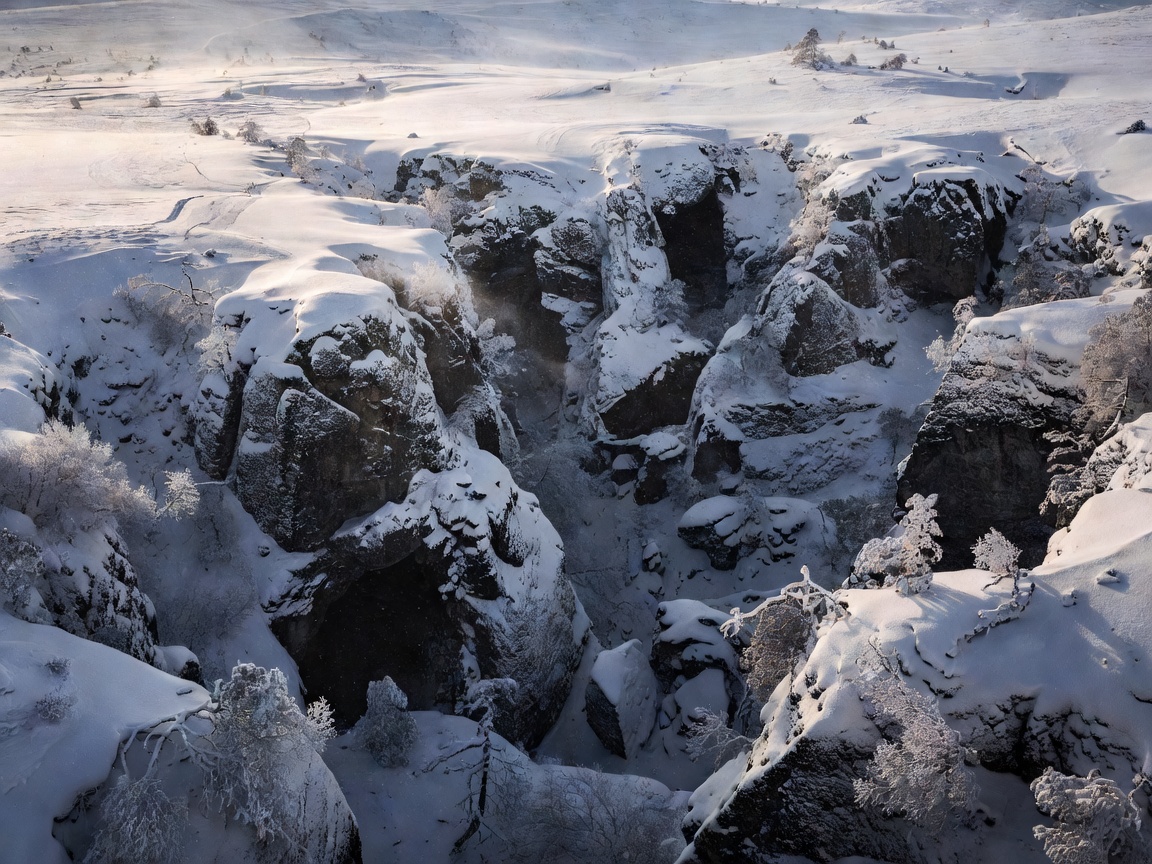
Winter can bring ice, snow, flooding rain and reduced access to remote entrances. Daylight is limited and roads may be affected. Caves with ice or glacier-related features can be especially changeable. Temperature differences may create condensation and slippery surfaces.
Managed tourist routes may have seasonal schedules, while other access can be restricted. Never assume that a closed surface entrance is an invitation to find another way in. Use authorised information and postpone when conditions do not match the published route.
Build a seasonal check
Check five items: rainfall and water, surface transport, daylight, visitor demand and seasonal restrictions. Then confirm temperature, clothing, equipment and the tour format. General patterns are useful for choosing a travel window. They are not current access advice, weather information or a guarantee of tour availability.