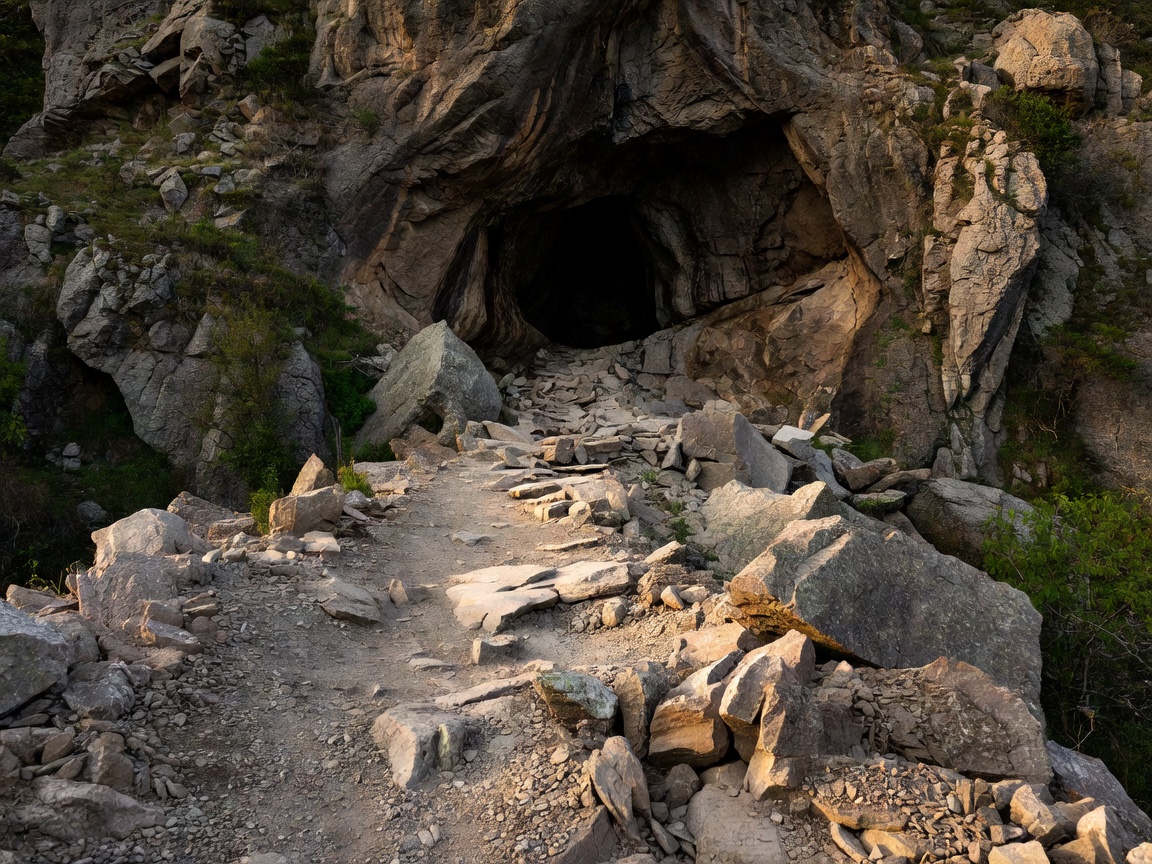
Underground access is controlled by geology, weather, management and human ability. A cave entrance can look close on a map and still involve a steep approach. A lit route can contain stairs. A dry season can change quickly after rain. Treat access information as a planning requirement, not a footnote.
Route difficulty and surfaces
Look for clear descriptions of stairs, uneven ground, low ceilings, narrow passages, slippery surfaces and water. “Easy” is not a universal measurement. It may refer to a maintained walkway while ignoring the approach, or it may assume reasonable balance and confidence.
Wear secure footwear suited to the stated surface. Open shoes and smooth soles are poor choices for damp or uneven ground. Clothing should tolerate cool air, moisture and contact with rock. Do not bring equipment that creates a snag or trip risk unless the authorised route specifically permits it.
Temperature, darkness and water
Caves often feel cooler than the surface, but temperature varies by depth, airflow, water and season. A warm day does not remove the need for an extra layer. Darkness can affect balance and orientation even on an illuminated route. Follow lighting rules and do not assume a phone torch is an adequate substitute for required equipment.
Water deserves special attention. Floors may be wet, streams may rise and routes may close after rainfall. Do not enter a restricted or closed route. Never treat a dry entrance as proof that an underground system is safe.
Rules, guides and physical ability
Use designated entrances and marked visitor routes. Follow guide instructions immediately. Respect barriers, restricted areas, equipment requirements and photography rules. These controls may protect visitors, wildlife, formations or water systems.
Consider the least confident person in the group. Discuss balance, stairs, confined spaces, hearing, vision, fatigue and medical needs in advance. Accessible information should be specific: step-free access, handrails, surface type, rest points, transfer arrangements and emergency procedures all matter. Ask the site directly when published information is incomplete.
Responsible decisions
This guide does not provide instructions for unauthorised entry, bypassing barriers, solo technical caving, rope access or hazardous exploration. Choose a managed route or an authorised specialist format. If conditions, equipment or ability do not match the stated requirements, postpone or select a different experience.
Before leaving home
Save the official access contact, confirm meeting arrangements, check transport and allow time for the approach. Tell your group what clothing and footwear are required. Read cancellation or closure notices from the responsible source. Keep the plan simple: authorised route, suitable equipment, guide instructions and a clear decision to turn back when rules or conditions require it.